The Homeowner’s Guide to Safe and Effective Termite Control Services
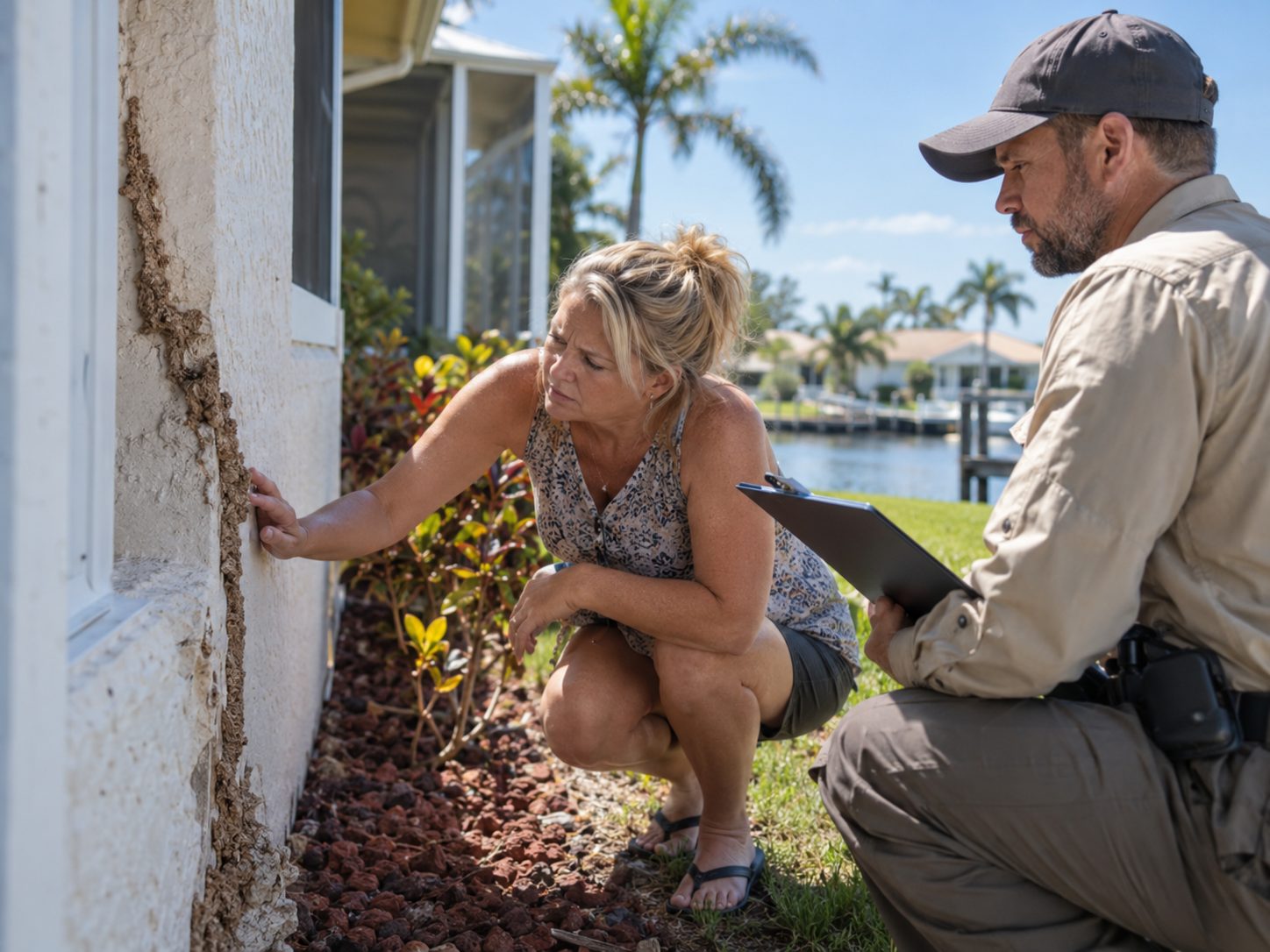
Termites do their best work quietly. By the time a homeowner notices warped trim, a hollow-sounding baseboard, or a swarm near a window, the colony has often been active for months, sometimes years. That lag between infestation and visible damage is what makes termite problems so expensive, and why choosing the right termite control services matters so much.
I have seen two very different homeowner responses to termites. The first is panic, often triggered by a cloud of winged insects in spring and followed by rushed decisions. The second is hesitation, where someone suspects a problem but keeps putting off an inspection because the house still looks fine. Neither approach serves the property well. Good termite control is not about fear. It is about careful diagnosis, the right treatment for the species and structure, and a plan that protects the home without creating unnecessary risk for the people and pets living in it.
A termite service should do more than spray a few visible areas and hand over a receipt. It should answer a more useful question: where are termites living, how are they getting in, what conditions are helping them, and what is the safest effective way to stop them and keep them from returning?
Why termite problems become so serious
Termites feed on cellulose, which means wood is only part of the menu. Paper facing on drywall, cardboard, some insulation products, and wooden structural members all offer food. In many homes, especially those with crawl spaces, slab cracks, poor drainage, or heavy landscaping against the foundation, termites can move in with almost no warning.
Subterranean termites are the most common and destructive type in many areas. They live in the soil and build shelter tubes to stay moist while moving between the colony and the structure. Drywood termites behave differently. They infest dry wood directly and do not need contact with the soil. Dampwood termites are less common in most residential settings, but where chronic moisture exists, they can become a problem as well.
That distinction matters because termite control services should not be one-size-fits-all. A treatment that works well for subterranean termites may be the wrong answer for drywood termites in roof framing or window trim. Homeowners often assume all termite work is basically the same. It is not. Good companies begin with identification, because the species changes the strategy.
A small example makes the point. If a homeowner in a slab-on-grade home sees mud tubes rising from the expansion joint in a garage, a soil treatment or baiting system may be appropriate. If another homeowner finds dry pellets under an interior window sill, the issue may be localized drywood activity requiring spot treatment or, in some cases, broader structural fumigation. Same pest family, very different job.
What a professional termite inspection should actually include
A proper inspection is part building science, part pest expertise. The inspector should look beyond the obvious damage and study the conditions that made the infestation possible. On a good visit, the process is methodical. Exterior walls, foundation lines, crawl spaces, attic framing, plumbing penetrations, expansion joints, porch connections, and moisture-prone areas all deserve attention. So do garages, utility rooms, and any area where wood sits close to soil.
The best inspectors explain what they are seeing in plain language. They distinguish between active signs and old damage. They note moisture issues, grade problems, wood-to-soil contact, and hidden entry points. They also explain what cannot be fully inspected without removing finishes or opening walls. That last point matters. No honest professional should pretend they can see through drywall or under every finished floor.
It is reasonable to expect photos, a diagram, or a written description of key findings. If a company recommends treatment without showing where the evidence is or how they reached that recommendation, slow the process down. Ask better questions.
One of the most common homeowner misunderstandings involves swarmers. Winged termites inside a home do not always mean the entire structure is riddled with damage, but they do mean something deserves immediate attention. Swarmers are reproductive termites looking to establish new colonies. If they appear indoors, especially near windows, baseboards, or light fixtures, there may be an active infestation in or under the structure. Swarmers outside near lights can be less conclusive, since they may have emerged nearby rather than from the house itself. A trained inspector can sort that out.
Warning signs worth taking seriously
Some clues are dramatic, but most are subtle. Homeowners tend to notice cosmetic symptoms first, even when the underlying issue is structural.
- Mud tubes on foundation walls, piers, or crawl space supports
- Hollow-sounding, blistered, or soft wood
- Discarded wings on window sills, floors, or near doors
- Small piles of pellet-like frass from drywood termites
- Tight-fitting doors or windows caused by distorted wood
A single sign does not always tell the full story, but none of these should be ignored. I have seen homes where the first visible clue was a little bubbling paint near a door frame, and behind that surface was extensive damage along the wall base. I have also seen cases where a homeowner spotted one mud tube early, called promptly, and avoided a repair bill that would have climbed into the thousands.
The main types of termite control services
The term termite control services covers a wide range of approaches. A reputable provider should match the treatment to the infestation, the structure, and the homeowner’s priorities. That may include speed, budget, reduced chemical exposure, or long-term monitoring.
Soil-applied liquid treatments are one of the standard tools for subterranean termites. In many cases, the technician creates a treated zone around the foundation by trenching, rodding, drilling through slabs where needed, and applying a labeled termiticide according to the structure’s design. Some products repel termites. Others are non-repellent, allowing termites to pass through the treated zone and transfer the active ingredient within the colony. When properly applied, non-repellent products can be very effective, particularly where the goal is colony impact rather than simple exclusion.
Bait systems are another well-established option, also used primarily for subterranean termites. Stations are placed in the soil around the structure and monitored over time. When termites begin feeding, a bait matrix with an active ingredient is introduced. Baits can work very well, especially where liquid treatment is difficult or where a homeowner prefers a lower-volume pesticide approach. The trade-off is time. Baits often require patience, careful monitoring, and disciplined follow-up visits. They are not usually the fastest answer when heavy active infestation is already underway inside the structure.
For drywood termites, treatment options are different. Spot treatments may be appropriate for localized infestations where the affected wood can be identified with confidence. In more widespread cases, structural fumigation may be recommended. That sounds intimidating to homeowners, and it is certainly not a minor service call, but in the right situation it can be the most reliable whole-structure answer. The key is diagnosis. Fumigation is not a cure-all for every termite problem, and it does not address conditions that could allow future reinfestation.
Wood treatments may also play a role, either as a primary localized measure or as a supplement to broader control work. Borate products, for example, can protect untreated wood when applied in accessible areas. They are especially useful during renovations, additions, or new construction, where framing is exposed.
Safety should be part of the plan, not an afterthought
Most homeowners ask about safety only after treatment has already been recommended. It is better to discuss it up front. Safe termite control does not mean avoiding every pesticide in every situation. It means using the least intrusive effective option for the problem at hand, applying products strictly according to label directions, and communicating clearly about occupancy, ventilation, pets, aquariums, garden beds, and wells or drainage features near the home.
A professional company should be able to explain what product is being used, where it will be applied, why that approach fits the infestation, and what precautions are necessary before and after service. If they dodge those questions or seem annoyed by them, that is a warning sign.
Homeowners with children, pets, respiratory concerns, or chemical sensitivities often assume they have only two choices: accept a treatment they do not understand or refuse treatment entirely. In practice, there is usually more room for nuance. A baiting system may be preferable in one setting. A localized treatment may be enough in another. If a liquid treatment is the best technical option, the applicator should still explain reentry timing and steps to minimize disruption.
Structural fumigation has its own safety protocols and requires serious preparation. Done by licensed professionals under proper regulation, it is a recognized method for drywood termites. The process is highly controlled, but homeowners need a detailed preparation checklist and a clear timeline. This is not the kind of work to hire based on a discount flyer alone.
How to choose a termite company without getting sold the wrong service
Price matters, but with termite work it should not be the only lens. The cheapest bid can become the most expensive if the inspection was rushed or the treatment was incomplete. On the other hand, the highest bid is not automatically the most thorough. What matters is whether the recommendation makes sense.
A useful estimate explains the target pest, treatment method, areas to be serviced, expected follow-up, and any warranty terms. It should also note limitations. For example, inaccessible voids, concealed plumbing chases, heavy slab sections, or attached features may affect treatment coverage. Honest termite control services disclose those details because buildings are not perfect laboratory conditions.
You will also want to know whether the company handles repairs or only pest treatment. That distinction helps avoid confusion. Some companies do both. Others treat only and recommend a contractor for damaged wood. Neither model is inherently better, but the scope should be clear from the start.
Ask how they will confirm activity before treatment and how they will evaluate success afterward. Ask whether they are proposing liquid, bait, spot treatment, or fumigation, and why. Ask what happens if termites return during the warranty maximumpests.com Termite Control Services period. Ask whether annual inspections are included or sold separately. Those are ordinary homeowner questions, and any qualified provider should answer them comfortably.
Cost, value, and the danger of false economy
Termite work varies widely in cost because structures vary widely in complexity. A small, accessible home with straightforward perimeter treatment needs is very different from a large house with multiple slab breaks, finished basements, additions, patios, and dense landscaping. Drywood treatment pricing can differ even more, depending on whether the infestation is localized or structure-wide.
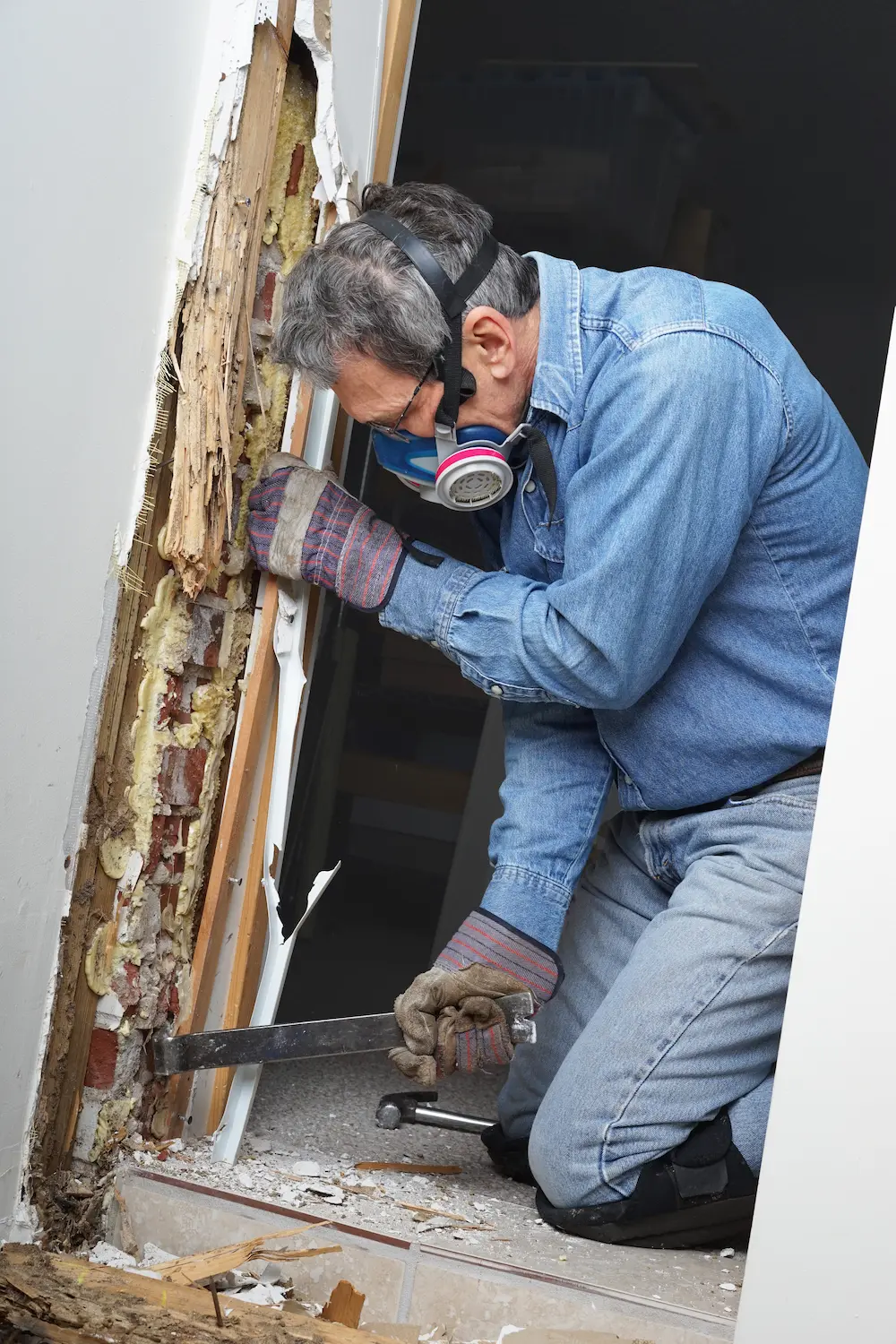
What homeowners often miss is the cost of delay. A few hundred dollars saved by postponing an inspection can turn into several thousand in carpentry repairs, flooring replacement, trim work, and wall restoration. If structural members are affected, the costs rise quickly. I have seen sill plate repairs that began as a localized job and expanded once wall cavities were opened and hidden damage came into view.
Value also comes from monitoring and prevention. The best termite control services do not treat the house and disappear. They provide some combination of follow-up inspections, station monitoring, warranty renewal, and advice on conditions that increase risk. That support is not glamorous, but it is often where long-term protection is won.
Prevention is less dramatic than treatment, and often just as important
No company can make a home termite-proof forever. Any promise that sounds absolute should be viewed carefully. What professionals can do is reduce risk significantly through treatment, monitoring, and correction of favorable conditions.
Here are the prevention measures that consistently matter most:
- Keep wood, mulch, and dense plantings from crowding the foundation
- Fix leaks and drainage problems that keep soil or wood damp
- Eliminate direct wood-to-soil contact where possible
- Store firewood and lumber away from the house
- Schedule periodic professional inspections, especially in high-risk regions
These are not glamorous upgrades, but they make a difference. Termites thrive where moisture, shelter, and hidden access come together. A downspout that dumps water beside the foundation, a flower bed piled high against siding, or a deck post embedded in soil can quietly undo the value of treatment over time.
Crawl spaces deserve special mention. Homes with damp crawl spaces, poor ventilation, or chronic condensation are at elevated risk, not only for termites but also for fungal decay that can mask or compound termite damage. If your home has a crawl space, do not treat it as a forgotten zone. Termite inspections are far more effective when the area is accessible, reasonably dry, and not blocked by storage or debris.
What happens after treatment
Homeowners are often unsure what “success” looks like after termite service. They expect a dramatic before-and-after moment, but termite control is not like cleaning mold from a shower wall. Much of the activity happens out of sight.
After a liquid treatment for subterranean termites, you may still see some signs for a short period, depending on the product used and the stage of infestation. With bait systems, reduction and elimination can take time, and monitoring is part of the strategy. With drywood termite work, especially spot treatments, follow-up inspections may be necessary to confirm that no additional pockets of activity remain.
Old damage does not heal on its own. Treated wood can still look cracked, blistered, or hollow. That does not mean the treatment failed. It means carpentry repair may still be needed after active infestation is addressed. This distinction is worth understanding, because many homeowners confuse visible damage with ongoing activity.
A good company tells you what to watch for after treatment and what not to overinterpret. For example, old mud tubes may remain attached until removed, but inactive tubes are not the same as active feeding. New tubes, fresh frass, fresh swarmers indoors, or moisture-related changes around previously affected areas deserve reinspection.
Special situations that call for extra care
Real homes do not always fit textbook conditions. Older houses with stone foundations, additions built over different slab levels, radiant heat systems, well water, finished basements, or inaccessible voids can make termite work more complicated. So can row homes and duplexes where shared walls affect treatment boundaries.
If you are buying or selling a home, termite findings often become part of a larger negotiation. In that setting, documentation matters. A vague note that says “treated for termites” is less useful than a detailed report showing what was found, what was done, and whether repairs were recommended. Buyers should not rely on a casual verbal assurance that “it was taken care of.” They should ask for records.
Renovation projects also create opportunities. If walls are open or framing is exposed, ask whether preventive borate treatment makes sense before finishes go back on. It is usually more efficient and less disruptive to protect accessible wood during construction than to respond later once everything is sealed behind drywall and trim.
When do-it-yourself stops making sense
Homeowners can handle some risk-reduction measures on their own. They can fix exterior leaks, improve drainage, move firewood, reduce mulch depth, and keep vegetation from hiding foundation problems. They can also remain alert for swarmers, frass, and mud tubes.
What they usually cannot do reliably is identify termite species, map hidden activity, or apply professional-grade treatment in a way that creates continuous coverage where required. Subterranean termite control often depends on precision around footings, joints, penetrations, and slab transitions. Missing a section can mean leaving a pathway open. Drywood termite detection can be even trickier because the infestation may be tucked into trim, rafters, fascia, or inaccessible framing.
Store-bought sprays tend to hit what is visible and miss what matters. That can create a false sense of control while the colony remains active elsewhere. If there is one area of home pest management where partial measures often backfire, termite work is near the top of the list.
The right mindset for homeowners
The most effective homeowners are neither alarmist nor passive. They treat termite control as part of responsible property care, much like roof maintenance or plumbing inspection. They understand that a house is a system. Water management, landscaping, ventilation, structural design, and pest pressure all interact.
That mindset leads to better decisions. Instead of asking only, “How fast can someone spray this?” they ask, “Why did this happen, what is the most appropriate fix, and how do I reduce the chance of seeing it again?” Those questions tend to lead toward better termite control services, better documentation, and fewer unpleasant surprises.
If you suspect termites, act promptly, but do not rush blindly. Get a thorough inspection. Ask for a clear explanation. Choose a treatment based on evidence, not sales pressure. Safe and effective termite control is not mysterious. It is careful work, done by people who understand both insects and buildings, and who respect the fact that your home is too important for shortcuts.
Maximum Pest Control
836 NE 7th Terrace Suite #5
Cape Coral, FL 33909
+1 239-772-7363
FAQ About Termite Control Services
What are two signs of a termite infestation?
Mud tubes along a foundation and piles of shed wings near doors or windows are two signs to investigate. Mud tubes are associated with subterranean termites. A licensed inspector can identify the insect and assess whether there is active infestation.
How many years does a termite treatment last?
There is no single timeline for all treatments. The method, site conditions, and maintenance affect how long protection lasts. Bait systems rely on monitoring and service. Ask the provider for the recommended inspection schedule and the terms of any coverage.
Is Termite Treatment Expensive in Cape Coral?
Cost depends on the termite species, the size and construction of the property, the extent of activity, and the treatment method. Request a written estimate after inspection and ask whether monitoring, follow-up visits, and renewals are included.