Termite Control Services Explained: From Inspection to Treatment
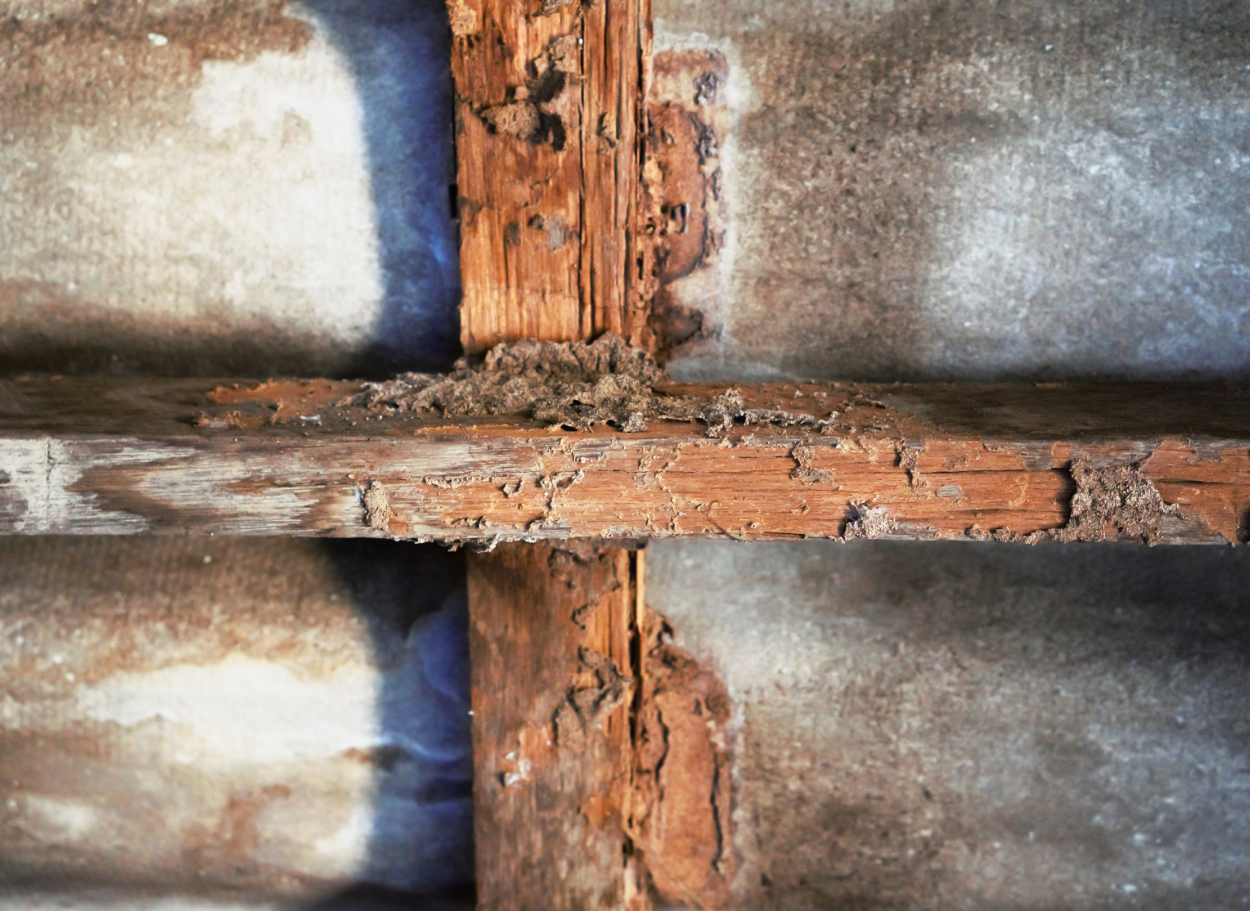
Termites rarely announce themselves in a dramatic way. More often, they work quietly behind drywall, under flooring, inside sill plates, or along foundation cracks where moisture and wood meet. By the time a homeowner notices bubbling paint, a soft baseboard, or a swarm near a window, the colony may have been active for months or even years. That quiet progression is exactly why professional termite control services matter. They are not just about spraying a chemical and walking away. A proper service begins with diagnosis, moves through treatment planning, and often continues with monitoring and prevention.
People tend to call for help at one of two moments. The first is after they have seen something unsettling, usually winged insects indoors, mud tubes on a wall, or wood that sounds hollow when tapped. The second is during a real estate transaction, when an inspection becomes part of the sale process. In both cases, the same truth applies: termite work is highly specific to the species, the structure, and the conditions that allowed the infestation to take hold in the first place.
Why termite problems are easy to underestimate
Termites are often lumped together as a single pest problem, but that simplification causes trouble. Different termite species behave differently, attack structures in different ways, and respond better to certain treatments than others. In much of the United States, subterranean termites are the main concern. They live in the soil and travel into structures through shelter tubes or hidden entry points. Drywood termites, more common in warmer coastal and southern regions, can live directly inside the wood they consume. Dampwood termites usually point to a moisture issue and are less common in ordinary homes, but they still show up in rotted wood and water-damaged framing.
From a homeowner’s perspective, these distinctions may sound technical. They are not. They affect where a technician looks, what evidence matters, how treatment is performed, and how long control may take. I have seen properties where a client was certain they had carpenter ants because of a pile of wings on a windowsill. The inspection showed subterranean termite swarmers entering through an expansion joint in the slab. I have also seen the opposite, where someone paid for a termite quote and the damage turned out to be old water intrusion and fungal decay. Good termite control services start by sorting out exactly what is happening, not by guessing.
What a professional termite inspection actually includes
A thorough termite inspection is part detective work and part building assessment. The technician is not only looking for insects. They are looking for conditions that make termite activity more likely and for the pathways termites use to stay hidden.
At a typical home, an inspection often begins outside. The foundation perimeter, siding clearance, porch steps, fence connections, attached decks, and any wood-to-soil contact deserve close attention. Landscaping matters more than many owners realize. Heavy mulch piled against siding, earth-filled planters against exterior walls, and dense vegetation that traps moisture can all create ideal concealment for activity. If the home has a crawl space, that area often tells the clearest story. Moisture staining, cellulose debris, poor ventilation, plumbing drips, and damaged joists are common clues.
Inside the structure, the inspector checks baseboards, window trim, door frames, utility penetrations, garage walls, and any area where plumbing or moisture issues have occurred. Attics are sometimes relevant, especially with drywood termite concerns. In finished homes, much of the structure is hidden, so a professional inspection is about reading subtle signs rather than expecting open, obvious damage.
Here are some of the signs that commonly trigger a closer look:
- Mud tubes on foundation walls, piers, or framing
- Hollow-sounding or blistered wood
- Swarming termites or discarded wings indoors
- Paint that appears bubbled without a clear moisture source
- Tight-fitting doors or windows caused by distorted wood
Not every sign confirms active infestation. Mud tubes may be old. Swarmers may come from outdoors and end up inside by accident. Distorted trim may result from humidity. A reliable inspector explains what is active, what is historical, and what still needs verification.
The questions a good inspector should answer
The most useful termite inspections leave the owner with a clear picture, not just a yes or no. You should come away understanding where activity was found, whether it appears active, how termites are entering, what parts of the structure were inaccessible, and which treatment approaches fit the situation.
That last point matters. Accessibility often governs the best plan. A slab home with activity along interior plumbing lines may require a different strategy than a raised foundation home with visible activity in a crawl space. Likewise, a detached garage with isolated drywood damage may not justify the same scope of treatment as a large active subterranean infestation around the entire house.
A technician should also be honest about limits. If wall cavities cannot be opened, if storage blocks access, or if previous construction hides key structural areas, the report should say so plainly. Hidden conditions are part of termite work. Pretending otherwise helps no one.
Inspection reports, real estate transactions, and what buyers often miss
Termite inspections often become urgent during a home sale. Buyers hear terms like "active infestation," "evidence of previous infestation," and "conducive conditions," but they do not always understand the practical difference. Active infestation means the termites are present or current signs strongly indicate they are still at work. Evidence of previous infestation means damage or traces exist, but there is no clear sign of present activity at the time of inspection. Conducive conditions are risk factors, such as soil contact, leaks, or excess moisture, that make future infestation more likely.
That difference can affect negotiations, repair requests, and treatment timing. A buyer may focus on visible damage, but seasoned inspectors often worry more about inaccessible areas and moisture conditions. I have seen modest visible damage paired with extensive hidden activity under bathrooms and kitchens. I have also seen dramatic-looking old damage that had been inactive for years after proper treatment and repair. Termite control services in a sale context are best understood as risk management, not just a pass-fail event.
Choosing the treatment method: no single answer fits every property
Once an infestation is confirmed, treatment planning begins. This is where experience shows. Homeowners often ask for the "strongest" treatment, but strength is not the right measure. Fit is. The best termite treatment is the one that reaches the colony or intercepts its movement in a way that matches the building and the species involved.
For subterranean termites, the two main categories are soil treatments and baiting systems. In some cases, they are combined. Soil treatments usually involve applying a termiticide to the soil around the foundation, and sometimes beneath slabs, to create a treated zone. This may require trenching, rodding, or drilling through concrete in targeted locations such as garage slabs, patios, or interior expansion joints. When done properly, this can provide fast control and broad protection, but success depends heavily on continuity. Gaps in treatment around footings, additions, porches, or inaccessible sections can reduce effectiveness.
Bait systems work differently. Stations are installed in the soil around the structure. Termites feed on the bait and carry the active ingredient back into the colony. Baits can be very effective, particularly for colony suppression and monitoring, but they require patience and routine follow-up. They are not a one-time service. Homes with landscaping limitations, drainage challenges, or construction features that complicate liquid treatment may be good candidates for baiting, especially when the owner is comfortable with ongoing service visits.
Drywood termites call for a different approach. Depending on the extent and distribution of infestation, treatment may involve localized injections or foams into affected wood, removal and replacement of damaged wood, or whole-structure fumigation in severe or widespread cases. Fumigation gets a lot of attention because it is dramatic and highly visible, but it is not automatic. It is typically reserved for situations where infestation is dispersed in multiple inaccessible areas, making spot treatment unreliable.
How liquid termite treatments are performed
Liquid treatments are often misunderstood. People imagine a quick spray around the house. Professional work is more exacting. The goal is to place the product where termites travel, usually in the soil next to and under structural elements. Around exterior walls, technicians may trench the soil and apply the material at labeled rates. Near slabs or attached concrete, drilling may be necessary so the treatment reaches soil that termites can access beneath the hard surface.
Inside a home, localized drilling can sometimes be needed around plumbing penetrations or other known entry points. This is one reason preparation and communication matter. A careful company will explain where drilling may occur, what patching will look like, and how long the treatment should take. In occupied homes, the work is usually manageable, but it is still construction-like in places. If someone tells you termite treatment will be invisible, silent, and effortless in every case, they are glossing over reality.
The quality of the application matters as much as the product choice. Missed sections, poorly spaced drill holes, or inadequate volume can leave untreated corridors. Structures with additions, cold joints, settled patios, foam insulation below grade, or unusual foundation details take more judgment than a basic rectangular slab home.
How bait systems work in real life
Bait systems can be elegant when they are maintained correctly. Stations are placed at intervals around the home in the soil, where foraging termites are likely to encounter them. At first, the system functions as a monitoring network. When activity is found, bait is introduced or replaced so the termites continue feeding. Over time, the active ingredient disrupts growth or colony function, eventually reducing or eliminating the population.
The appeal is easy to understand. There is minimal disturbance to concrete or finished surfaces, and the system remains in place for ongoing monitoring. The trade-off is time and discipline. Baits depend on termite foraging patterns, which are not perfectly predictable. They also depend on consistent service. A neglected bait system is a false comfort.
For some properties, especially where liquid treatment would be unusually invasive or where long-term monitoring is a priority, baiting makes sense. For others, particularly where active entry points are known and fast structural protection is needed, a liquid treatment may be the stronger initial choice. This is why serious termite control services are consultative. The right answer often comes from matching method to structure rather than promoting a favorite product.
Spot treatments, wood treatments, and when localized work is enough
Localized treatment has a place, but it is frequently oversold. If a single window frame, door jamb, or exposed beam shows limited drywood termite activity, direct treatment into the infested wood can be effective. Borate-based wood treatments may also help protect exposed Termite Control Services lumber during renovations or in crawl spaces where access is good. These approaches can be practical and cost-conscious when the infestation is truly isolated.
Problems arise when spot treatment is used to avoid confronting a larger issue. If signs suggest multiple galleries in separate rooms, repeated swarms, or inaccessible infestation throughout trim and framing, localized work may only knock back visible pockets while leaving other areas untouched. A reputable technician should say when a smaller treatment is enough and when it is not.
The role of moisture correction and repairs
Termite control and building maintenance overlap more than most owners expect. Treatment may stop the colony, but it does not remove the conditions that attracted it. Leaking hose bibs, poor drainage, clogged gutters, earth-filled steps against siding, and crawl space humidity all raise the odds of future trouble. In dampwood termite cases, moisture correction may be the central issue.
Repair decisions also require judgment. Not all damaged wood must be replaced immediately, and not all wood that looks worn is structurally compromised. Cosmetic trim damage is different from a load-bearing sill or joist that has lost integrity. Termite professionals and contractors should each stay in their lane, but the best outcomes happen when treatment findings and repair plans inform each other.
A practical post-treatment plan often includes a few straightforward actions:
- Correct leaks and drainage problems promptly
- Keep soil and mulch below siding or stucco line
- Remove direct wood-to-soil contact where possible
- Schedule follow-up inspections at recommended intervals
- Repair damaged structural wood based on severity, not guesswork
Those steps are simple on paper, but they are where many long-term successes are won or lost.
What treatment day usually looks like
Homeowners are often anxious before service because they do not know what to expect. A well-run appointment starts with a walkthrough and confirmation of the scope. The crew should explain where they will work, whether drilling is required, how pets and children should be managed during service, and what cleanup will follow. Exterior work may involve moving patio items, opening gate access, or trimming back vegetation. Interior work, if needed, may require access to utility rooms, garage perimeters, or plumbing walls.
Most treatments are completed in a single day, though larger properties or complex conditions can take longer. Bait installations are generally less disruptive than full liquid treatments. Fumigation, for drywood termites in extensive cases, is a different category entirely. It requires a structured preparation process, vacating the property for a set period, and careful reentry protocols managed by licensed professionals.
A service visit should end with documentation. The owner should know what was treated, where it was treated, what warranty or service agreement applies, and when follow-up is due.
Cost, value, and why the cheapest bid often becomes the expensive one
Termite treatment pricing varies widely by region, structure size, foundation type, accessibility, and method. A small, localized drywood treatment may cost a fraction of a whole-structure plan. A slab home with multiple drill points and heavy obstruction may cost much more than a simple perimeter trench treatment on a raised foundation. Because conditions differ so much, broad national price claims are not very useful.
What is useful is understanding what drives value. Thorough inspection, method fit, application quality, warranty clarity, and follow-up matter more than a low headline number. I have seen bargain treatments that skipped difficult areas and left owners with continuing activity six months later. I have also seen homeowners pay for overly broad work that was unnecessary for the actual infestation. Good termite control services are not the cheapest or the most expensive by default. They are the most defensible.
When comparing bids, look closely at scope. Does the company describe the species? Are inaccessible areas identified? Does the treatment cover only active spots, or the full risk area? Is monitoring included? How long is the service agreement, and what does retreatment mean under that agreement? Those details tell you more than the price alone.
Warranties, retreatments, and the fine print that matters
Termite warranties are often misunderstood. Some cover retreatment if termites return. Others include limited repair coverage under specific conditions. Some are renewable annually, while others have strict service intervals that must be maintained. A warranty is only as useful as its terms and the company standing behind it.
Retreatment coverage generally means the company will return and perform additional control work if new activity appears within the covered period. Repair coverage, when offered, usually has exclusions, caps, documentation requirements, and conditions related to uninterrupted service history. Homeowners should read these documents carefully. A strong warranty is a benefit, but it does not replace sound treatment design.
How to choose a termite company without relying on marketing slogans
The termite industry includes excellent operators and weak ones. Credentials matter, but so does how a company communicates. The best firms are usually specific. They discuss evidence, limitations, and options without drama. They do not pressure you with vague warnings about catastrophic collapse if you do not sign today. Termite damage can be serious, but good professionals rely on findings, not fear.
Ask who will perform the inspection, who will perform the treatment, and whether they are licensed according to local requirements. Ask how they handle inaccessible areas, what their follow-up schedule is, and whether the same technician will monitor progress when possible. Consistency helps, especially with bait systems and complex infestations.
It also helps to notice what is missing from a conversation. If no one mentions moisture, construction details, drainage, or maintenance, the service may be too narrow. Effective termite control is part entomology and part building science.
After treatment, what owners should watch for
Treatment is a major step, but it is not permission to forget about termites forever. Homeowners should continue to monitor the property casually between professional visits. That does not mean constant worry. It means staying observant when cleaning the garage, walking the foundation, or working in the yard.
Fresh mud tubes, new swarms, unexplained soft trim, or moisture problems deserve attention. It is also wise to keep records of the original inspection, treatment diagram, and any warranty renewals. If the home is sold later, that documentation can be useful.
One point often surprises owners: seeing a few termites after treatment does not automatically mean failure. Depending on the method used and the timing, residual or delayed activity can occur for a period. What matters is whether the pattern indicates continuing infestation or a normal post-treatment decline. This is where follow-up inspections earn their keep.
Why termite control services are really about process
People tend to think of termite work as a single event, an inspection, a treatment, a bill. In practice, the best results come from a process. First, identify the species and the evidence accurately. Next, choose a treatment that fits the structure and infestation pattern. Then, correct the conditions that made the property vulnerable. Finally, verify that the problem has stayed resolved.
That process is less glamorous than advertising claims about instant fixes, but it is far more reliable. Termites exploit hidden spaces, moisture, and neglect. Professional termite control services work best when they are equally grounded in detail, patience, and follow-through. If the inspection is thorough and the treatment plan is matched to the building, most infestations can be controlled effectively. The rest comes down to maintenance, monitoring, and resisting the temptation to treat a complex problem like a simple one.
Maximum Pest Control
836 NE 7th Terrace Suite #5
Cape Coral, FL 33909
+1 239-772-7363
FAQ About Termite Control Services
What are two signs of a termite infestation?
Mud tubes along a foundation and piles of shed wings near doors or windows are two signs to investigate. Mud tubes are associated with subterranean termites. A licensed inspector can identify the insect and assess whether there is active infestation.
How many years does a termite treatment last?
There is no single timeline for all treatments. The method, site conditions, and maintenance affect how long protection lasts. Bait systems rely on monitoring and service. Ask the provider for the recommended inspection schedule and the terms of any coverage.
Is Termite Treatment Expensive in Cape Coral?
Cost depends on the termite species, the size and construction of the property, the extent of activity, and the treatment method. Request a written estimate after inspection and ask whether monitoring, follow-up visits, and renewals are included.